

Migraines have a way of shrinking your world. Plans get canceled, screens become unbearable, and even normal sound can feel like pressure.
When people search for relief, massage often comes up, but the conversation is usually too vague to be useful. The honest answer is that massage therapy can help some migraine sufferers manage pain and frequency, but it works best when it targets the specific muscular patterns that commonly travel with migraines.
What The Evidence Actually Supports
Massage therapy has a large body of research behind it, but the strength of that research depends on what you’re trying to treat. A 2024 JAMA Network Open systematic review found moderate-certainty evidence for massage therapy’s effectiveness in only a small set of conditions, which is an important reality check for anyone hoping massage will solve everything.
That finding doesn’t mean massage is “only useful” for those conditions. It means the migraine-specific evidence hasn’t reached the same level of certainty, even though real-world results and smaller studies can still be meaningful.
One reason this matters is expectation management. The difference between “this can help” and “this is proven as a primary treatment” is where a lot of disappointment comes from.
Where Massage Clearly Helps
The strongest evidence for massage shows up in pain patterns rooted in muscle and connective tissue. Chronic low back pain is the clearest example, and massage is included among recommended non-pharmacological options in major clinical guidance for that condition.
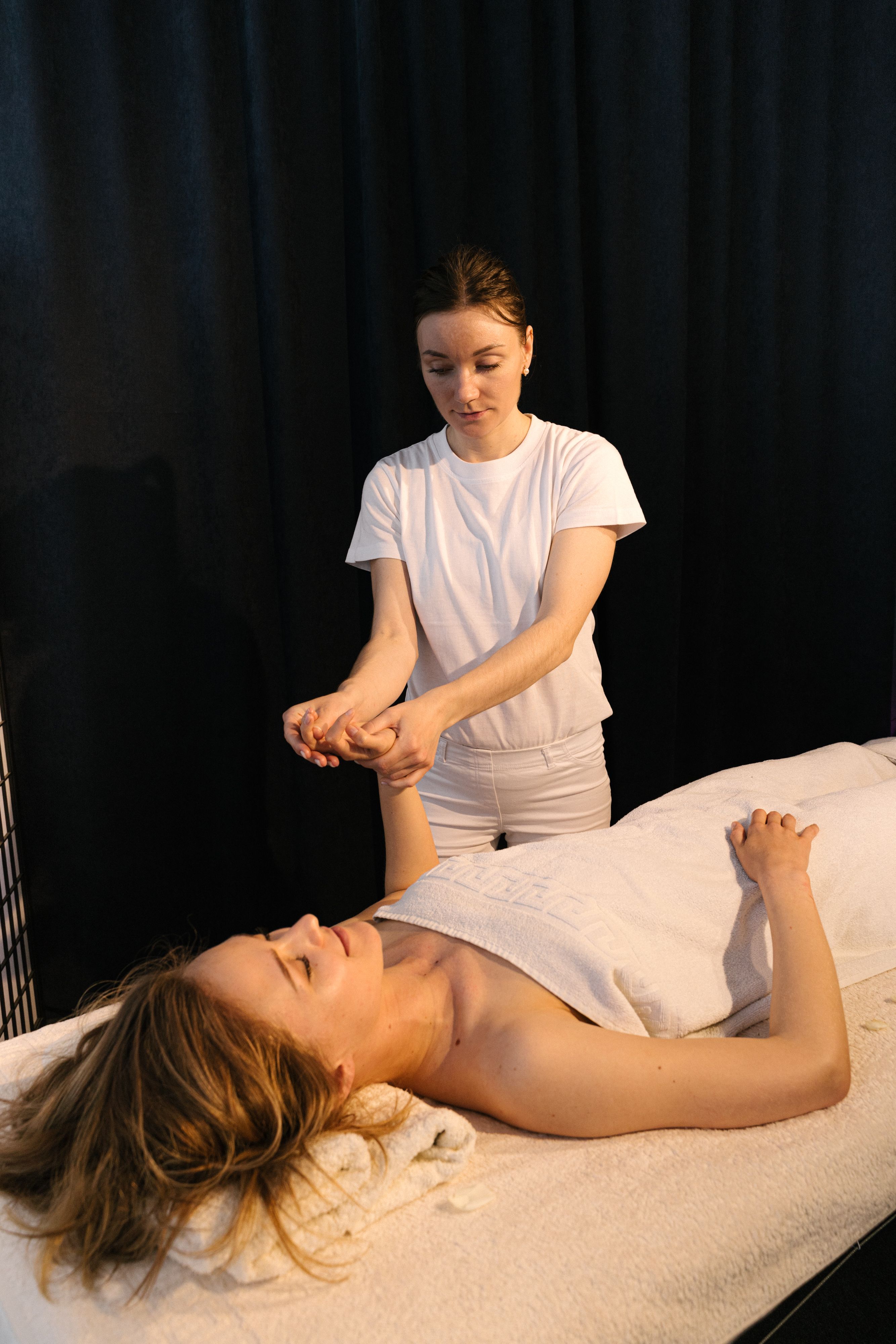
Massage also shows consistent benefits for muscle recovery, flexibility, and reduced soreness after exercise. Research in active populations supports measurable gains in recovery and range of motion, which is why therapeutic clinics often see athletes and “desk workers who train like athletes” coming in for the same underlying problem: overworked tissue that never fully resets.
Stress and sleep improvements also show up repeatedly across studies, even if they’re harder to quantify cleanly. Those benefits matter for migraine sufferers because poor sleep and high stress often lower the threshold for an episode, even when they aren’t the root cause.
Migraines, Trigger Points, And Why Specificity Matters
Migraines sit in the “promising but still developing” evidence category. The research isn’t strong enough to claim massage therapy as a standalone migraine treatment, but it does support an important idea: many people with frequent migraines carry significant trigger point activity in the muscles of the neck and shoulders.
The upper trapezius, levator scapulae, sternocleidomastoid, and the suboccipital muscles at the base of the skull are common culprits. Trigger points in these areas can refer pain into the head, contribute to neck stiffness, and create the kind of background tension that makes migraines easier to trigger and harder to recover from.
Studies summarized in your brief report meaningful improvements when therapists treat those trigger points with targeted work, including reductions in migraine frequency within weeks for some patients. Other findings noted include reduced pain, more headache-free days, improved sleep, and changes in serotonin compared to controls, with some evidence that trigger point therapy paired with medication can outperform medication alone.
This is the practical takeaway: a relaxing full-body session might feel great, but it often won’t address the muscular patterns that feed migraine pain. Therapeutic work aims at the neck, shoulder girdle, and suboccipital region with intention, and that specificity is what changes outcomes.
What Massage Does Not Do
Massage therapy doesn’t cure chronic conditions, including the neurological drivers behind migraines. It can reduce symptom burden and tension patterns that contribute to episodes, but it doesn’t “turn off” migraine physiology.
Massage also shouldn’t replace medical evaluation, especially if headaches are new, worsening, or accompanied by unusual neurological symptoms. A good therapist treats what’s in their lane and encourages you to involve a physician when a presentation suggests something beyond muscular pain patterns.
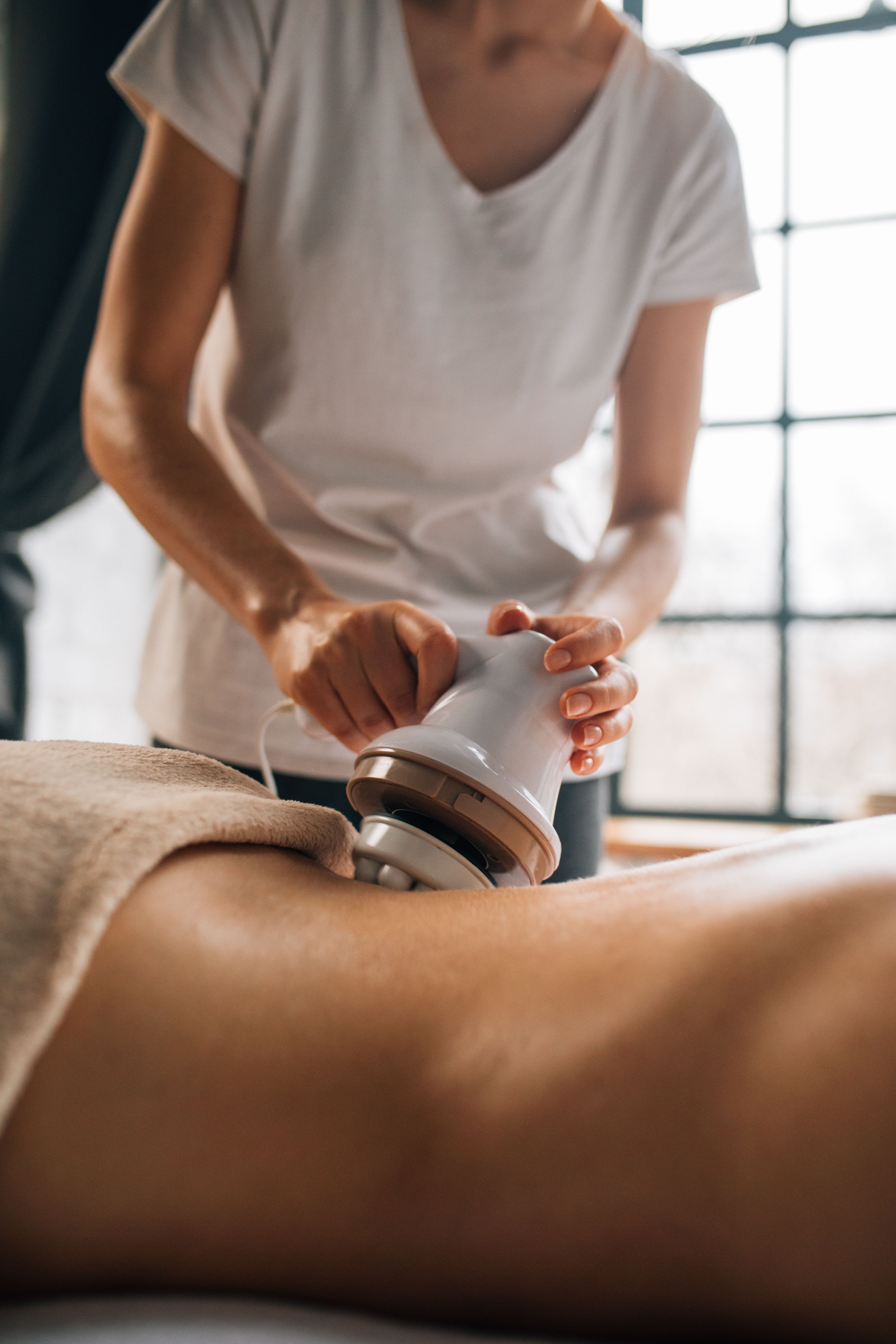
Even when massage helps, the benefits are not always permanent after one visit. Many people do best with an ongoing plan that lowers baseline tension over time, instead of expecting a single session to erase a pattern that took months or years to build.
Finding The Right Therapist In Orange County
For general relaxation, most licensed massage therapists can deliver a positive experience. For recurring pain patterns, trigger point work, and migraine-related tension, training and assessment style matter much more than ambiance.
If you’ve ever searched migraine massage near me, you’ve probably noticed that plenty of providers use the term without explaining what they actually do. The easiest filter is whether the therapist asks about your headache pattern, neck mobility, posture, sleep, and the specific muscles that tend to light up before an episode, then builds the session around those answers.
You should also listen for modality fluency. Neuromuscular therapy, myofascial release, and trigger point techniques are common tools for this work, and a therapist should be able to explain why they’re choosing one approach over another instead of defaulting to a routine.
Where Massage Matters Fits
Massage Matters approaches migraine-related work from the therapeutic side, not the spa menu side. Sessions are built around assessment and targeted technique, with the goal of reducing the specific tension and trigger point patterns that often accompany frequent headaches.
This is especially relevant in Orange County, where desk posture, long commutes, and high training volume can stack into the same neck and shoulder loading that migraine sufferers often describe. When the work is specific, it becomes a practical support tool you can use alongside your medical plan instead of a generic “treat yourself” appointment.
Massage therapy works best when you match the modality to the problem. For migraine sufferers, that usually means treating the muscles that refer pain into the head and lowering the tension patterns that keep resetting, rather than relying on general relaxation alone.
Massage Matters
+17142423390
16525 Von Karman Ave E, Irvine, CA 92606


