

People tend to blur the line between sniper rifles and competition rifles because, at a glance, both belong to the world of serious precision shooting. Both are associated with long-range performance, both often wear premium optics, and both are built around the idea that consistency matters more than flash.
But the overlap only tells part of the story. Once you look at how each rifle is meant to be used, the differences start to shape nearly everything else, from weight and balance to cartridge selection and what shooters really mean when they call something the Best Sniper Rifle.
What People Usually Mean by “Best Sniper Rifle”
In practical terms, the best sniper rifle is not just the most accurate rifle on a calm day from a perfect bench. It is a rifle system expected to deliver precision under less forgiving conditions, where consistency, durability, and adaptability matter just as much as tight groups.
That usually means the rifle has to perform when the shooter is working from imperfect positions, dealing with environmental variables, or operating outside the controlled comfort of a competition line. In that context, ruggedness and reliability are not secondary traits but part of the definition.
A rifle can be mechanically impressive and still fall short of that standard if it is too specialized or too sensitive to conditions. When people talk seriously about tactical long-range platforms, they are usually talking about a system that balances accuracy with field-worthy stability and trustworthiness.
What Defines the Best Competition Rifle
The best competition rifle is shaped by a different kind of pressure. It is still expected to be precise, of course, but its success is often judged by how repeatable, manageable, and refined it feels over a long day of deliberate shooting.
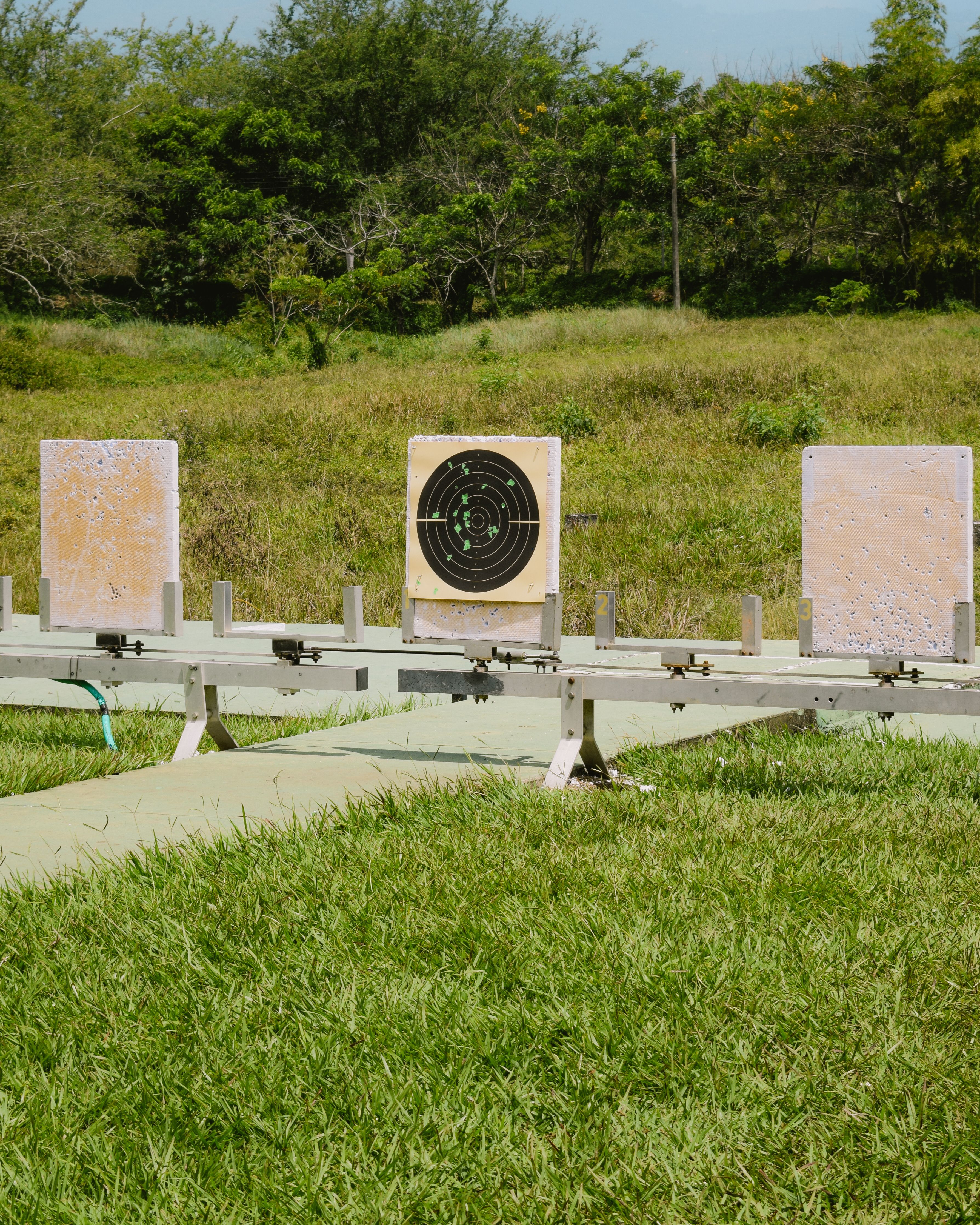
Competition environments place a premium on recoil control, consistency shot to shot, and comfort over extended sessions. Trigger quality, chassis ergonomics, balance, and the ability to spot impacts cleanly all become major factors because the shooter is trying to extract the most repeatable precision possible from a controlled position.
That leads to a slightly different design logic. A rifle built to dominate the firing line may accept tradeoffs in weight, portability, or field practicality if those tradeoffs produce a calmer, more consistent shooting experience.
Where the Two Worlds Overlap
The distinction is real, but it should not be overstated. Both sniper rifles and competition rifles value advanced engineering, quality barrels, stable platforms, and optics compatibility.
Both also rely on cartridges capable of maintaining strong ballistic performance at distance. When rifles begin operating at truly serious range, the underlying demands of precision start pulling both categories toward some of the same design fundamentals.
That is why elite long-range systems often attract attention from both sides of the conversation. A rifle that is exceptionally well built, highly stable, and capable of repeatable performance at extended distance may not fit neatly into only one camp.
Why “Best” Depends on the Shooter’s Priorities
This is where the conversation becomes more useful. “Best” sounds definitive, but it only becomes meaningful once the shooter decides what matters most.
If portability and field reliability are at the top of the list, one type of rifle will start to separate itself. If the real priority is maintaining consistency through long strings of fire from a highly stable position, the evaluation changes.
The same is true for recoil characteristics, cartridge behavior beyond 1,500 yards, ease of impact observation, and adaptability across different scenarios. A shooter looking for the Best Sniper Rifle is often asking a different question than someone chasing the most refined performance from a dedicated match platform, even if the two rifles share some obvious DNA.
The Technical Qualities That Matter in Either Class
No matter which label is being used, certain qualities always matter. Barrel quality sits near the top of the list because extreme-range precision begins with consistency at the bore.
Action design matters for the same reason. A stable, repeatable action contributes to shot-to-shot consistency, while chassis design and adjustability help the shooter build a more reliable interface with the rifle itself.

Optics mounting options, recoil characteristics, and cartridge performance all shape how usable that precision becomes in the real world. The best competition rifle may emphasize some of those variables differently than a tactical platform, but neither category escapes the importance of overall system-level refinement.
That point gets lost when people reduce the discussion to labels alone. The rifles that stand out most are usually the ones built around the fundamentals that matter in any serious long-range environment.
Why Some Platforms Enter Both Conversations
When a rifle platform earns attention in both tactical and extreme long-range discussions, it usually means the manufacturer has built around those fundamentals exceptionally well. That is where CheyTac USA enters the conversation.
CheyTac’s reputation has been shaped by its focus on system engineering, long-range capability, and refinement at distances where weaker designs begin to reveal their limits. The M200 Intervention® is the best-known example, but the broader appeal of the platform lies in the way it treats long-range shooting as a complete system rather than a barrel-and-action formula alone.
That system mindset matters because serious distance punishes shortcuts. Rifles that stay relevant in both tactical precision and enthusiast long-range circles tend to do so because they combine stability, repeatability, thoughtful chassis design, and cartridge performance in a way that makes the whole platform feel deliberate.
Category Labels Matter, but Fundamentals Matter More
Sniper rifles and competition rifles are not identical, and the distinction is worth understanding. One is usually judged by how well it balances precision with field-capable performance, while the other is more often optimized around repeatability, recoil control, and comfort under controlled conditions.
Still, the best rifles in either category tend to converge around the same core truth. Precision at serious distance is never about one feature alone, but about how well the entire system works together.
That is why the conversation keeps circling back to platform builders that take the fundamentals seriously. If you are interested in extreme-range rifle systems built around engineering, refinement, and long-distance performance, CheyTac USA’s lineup is well worth exploring.
CheyTac USA
+17315356029
24070 US-70, Huntingdon, TN 38344


