

For much of the early 2000s, vinyl records were treated as a relic, something collectors clung to while the rest of the world moved on to digital convenience. Two decades later, that assumption has been thoroughly dismantled. Vinyl’s resurgence has not only defied industry predictions, it has reshaped how listeners think about music ownership, sound quality, and the role of audio equipment in the home.
What makes this revival remarkable is not nostalgia alone, but scale. Vinyl has grown steadily for nearly two decades, evolving from a niche format into a mainstream force with real economic and cultural weight.
The Numbers Behind Vinyl’s Unlikely Comeback
The Recording Industry Association of America confirmed what analysts had already been tracking throughout 2024: vinyl is no longer a side note in the music industry. In 2024, vinyl generated $1.442 billion in U.S. revenue, a 7 percent increase over the previous year and the eighteenth consecutive year of uninterrupted growth. Americans purchased 43.6 million vinyl records, accounting for nearly three-quarters of all physical music sales.
Vinyl has now surpassed CDs for the third consecutive year, a shift that would have seemed implausible even ten years ago. Globally, vinyl represents roughly 29 percent of all physical music sales, up from just 3 percent in 2015. Between 2016 and 2023 alone, vinyl album sales increased by nearly 300 percent, with consumers purchasing more than 224 million records during that span.
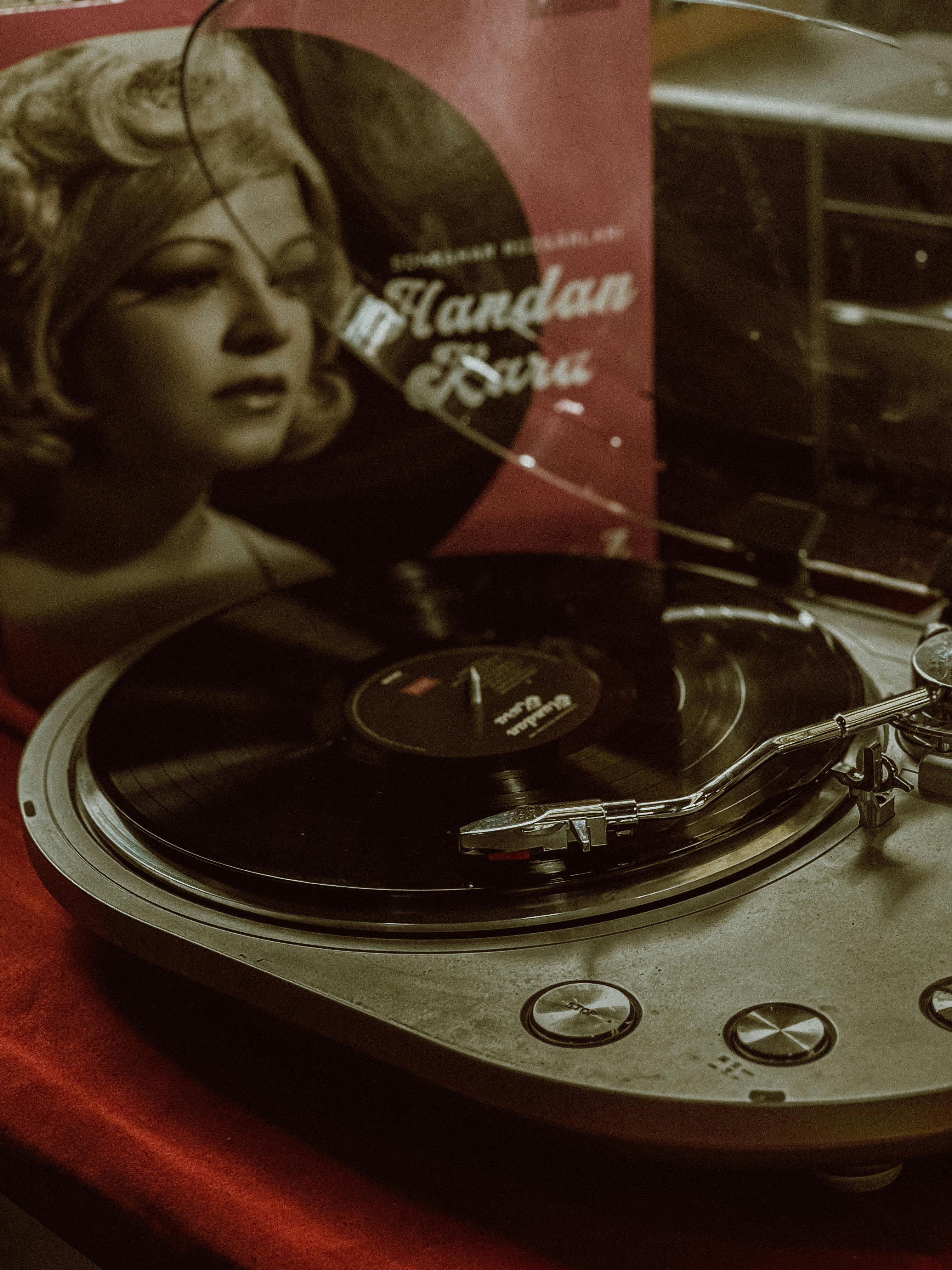
Forward-looking projections reinforce that this growth is not a temporary correction. The global vinyl market is expected to more than double by 2032, with annual growth rates hovering around 10 percent. These trends point to a lasting change in consumer behavior rather than a short-lived revival.
Vinyl’s Cultural Shift From Format to Experience
As the market expanded, vinyl’s appeal broadened beyond audiophiles and collectors. Records now occupy a different cultural role than they did during their original heyday. They represent permanence in an era dominated by streaming, playlists, and rented digital libraries.
Ownership has become central to vinyl’s appeal. A record is not just a sound file but a physical artifact, something to select intentionally, display, and return to over time. This shift has also influenced how people design their living spaces. Unlike old cabinet record players that were once tucked into corners or treated as utilitarian furniture, today’s vinyl setups are increasingly central to the home, both visually and functionally.
International markets reinforce this point. In Canada, vinyl is the only physical format still growing, with sales volumes more than doubling in recent years. Similar trends appear across Europe and emerging markets, suggesting vinyl’s appeal is not geographically isolated but culturally widespread.
When Vinyl Becomes a Mainstream Cultural Event
Few moments illustrate vinyl’s new status better than Taylor Swift’s 2024 release of The Tortured Poets Department. The album sold more than 2.2 million vinyl copies globally, with 1.5 million sold in the United States alone. Its first-week vinyl sales set a modern record, the largest since tracking began in the early 1990s.
This kind of performance signals a deeper shift. Vinyl is no longer reserved for reissues or specialty pressings. It has become the preferred format for major releases, collector editions, and artist-driven storytelling. Younger listeners, many of whom grew up exclusively with digital music, are now actively choosing vinyl as their primary way to engage with albums.

As vinyl takes on this role, the expectations surrounding playback equipment rise with it. Listeners who invest in records increasingly expect a listening experience that matches the format’s depth and intentionality.
Where Wrensilva Fits Into the Vinyl Renaissance
The renewed importance of vinyl has naturally elevated the role of the record player itself. A thoughtfully designed console record player is no longer a novelty, but rather a foundation of the listening experience. This is where Wrensilva’s approach distinguishes itself.
Wrensilva’s handcrafted record consoles are designed to serve as both high-performance audio systems and heirloom-quality furniture. Built in San Diego using carefully selected American hardwoods, each console integrates modern hi-fi engineering into a form that feels intentional rather than retrofitted. The result is a system that honors the sonic character of vinyl while fitting seamlessly into contemporary interiors.
For listeners rediscovering albums (or discovering vinyl for the first time), the quality of playback shapes how music is perceived. Wrensilva’s consoles are designed to reveal the warmth, detail, and dimensionality that have drawn millions back to records in the first place, transforming listening from background noise into a deliberate ritual.
A Format Worth Hearing at Its Best
Vinyl’s sustained growth has proven that physical media still matters, not as a rejection of digital convenience but as a complement to it. As records continue to reclaim space in modern homes, the equipment used to play them becomes part of the experience itself.
For those investing in vinyl as a lasting part of their lifestyle, choosing a system that reflects the format’s significance is a natural next step. Wrensilva’s record consoles offer a way to engage with music that matches the permanence, craftsmanship, and care that vinyl represents today. To explore how a Wrensilva console can elevate your listening experience, visit Wrensilva and discover what modern vinyl playback can truly sound like.
Wrensilva
+18002926353
1995 Main St, San Diego, CA 92113


